
What are the benefits of implementing an IVR?
Discover the 7 main benefits of implementing an IVR in your operation and how it can transform customer service.

What are the benefits of implementing an IVR?
Transform your customer service with the implementation of an IVR (Interactive Voice Response). IVR systems are solutions that significantly improve service efficiency, automating processes and offering a superior customer experience.
1. 24/7 Service
With an IVR, your company can offer customer support 24 hours a day, 7 days a week, without the need for on-site staff during off-hours. Your customers can resolve simple issues at any time, increasing satisfaction and perceived service quality.
2. Cost Reduction
Automating routine tasks allows you to reallocate human resources to more strategic functions, optimizing operational expenses. Frequent queries such as duplicate invoices, order status, and balance information can be resolved without human intervention.
3. Efficient Call Management
IVR systems handle large volumes of simultaneous calls, preventing congestion and directing each customer to the most appropriate department for their needs. This results in:
- Shorter queue wait times
- Intelligent call distribution
- Reduction of unnecessary transfers
- Higher first-contact resolution rate
4. Service Personalization
Modern IVRs allow personalization of welcome messages and offers based on customer history. By identifying the caller's number, the system can:
- Greet the customer by name
- Offer options relevant to their profile
- Direct to the most suitable agent
- Present personalized promotions
5. Data Collection
IVR systems collect valuable information about customer behavior and preferences, which can be used to continuously improve the service. Data such as peak hours, most frequent contact reasons, and automated resolution rates help in strategic decision-making.
6. Reduced Wait Times
Automation of frequent queries and the possibility of self-service significantly reduce customer wait times. Studies show that IVR can resolve up to 80% of simple queries without the need for human service.
7. Integration with Existing Tools
IVR systems easily integrate with existing IT infrastructure, creating cohesive operational ecosystems. The main integrations include:
- CRMs and ERPs
- Databases
- APIs and webhooks
- Ticketing systems
- Messaging platforms (SMS, WhatsApp)
Conclusion
Implementing an IVR transforms customer service operations, bringing efficiency, savings, and a better experience for the end user. The SipPulse IVR platform allows updates without the need for specialized technicians and supports integration with APIs, webhooks, and artificial intelligence, making it the ideal solution for operations seeking to modernize their customer service.
Related Articles

WebRTC and Click-to-Call: Integrating Voice into Your Website
Understand how WebRTC works and how to implement click-to-call on your company's website, connecting visitors directly to the contact center via browser, with no plugins required.
Call Transcription and Analysis with AI: What Is Already Possible
AI-powered call transcription and analysis are transforming contact center and carrier operations. Learn how SipPulse AI integrates these capabilities directly into your voice platform.
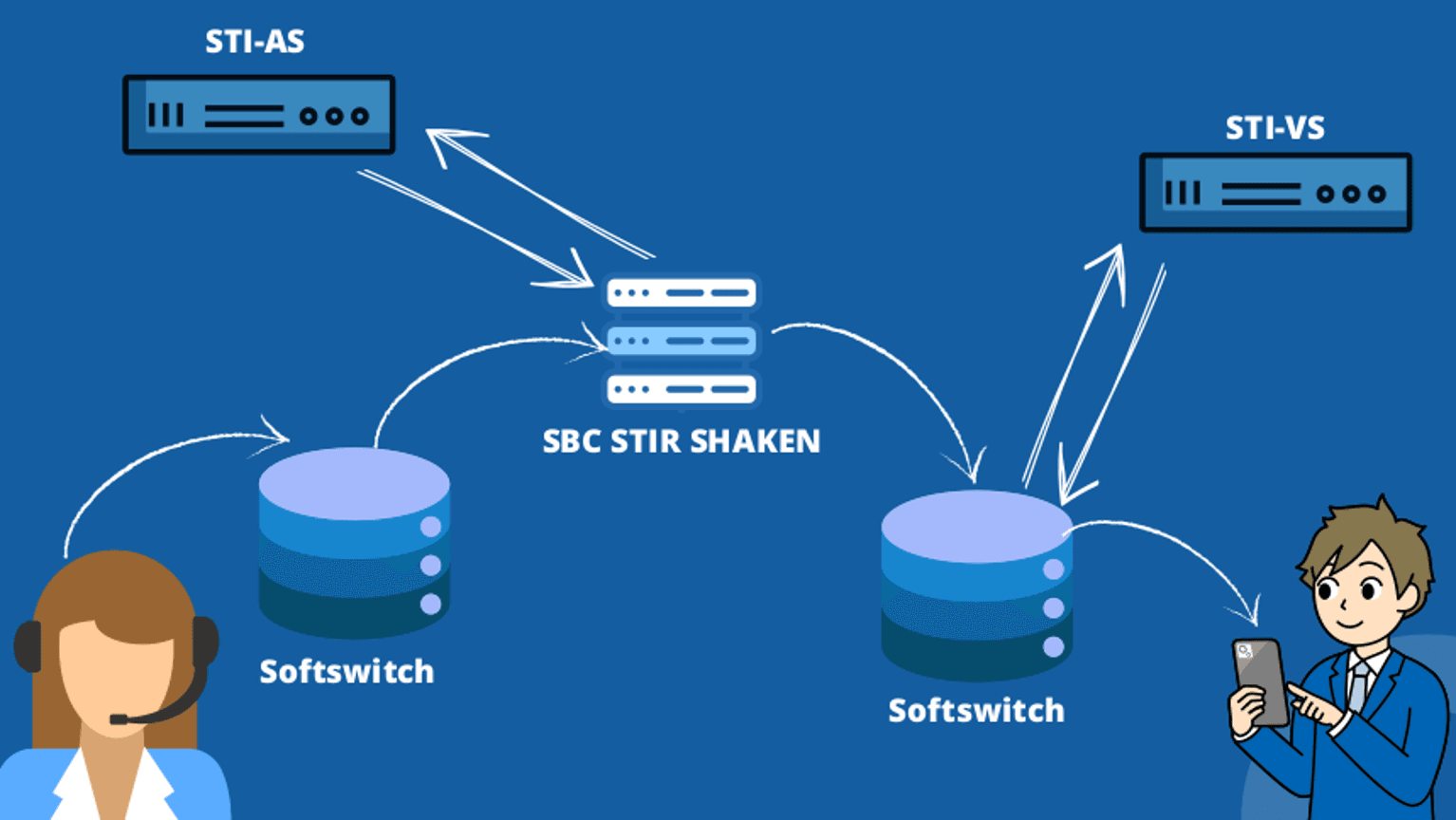
STIR/SHAKEN: Configuration Guide
Complete guide to configuring STIR/SHAKEN in your telecommunications operator.