
What is a Gateway? A General Overview
Understand what a VoIP gateway is, the different types available, and how they interconnect telephony networks.
What is a Gateway? A General Overview
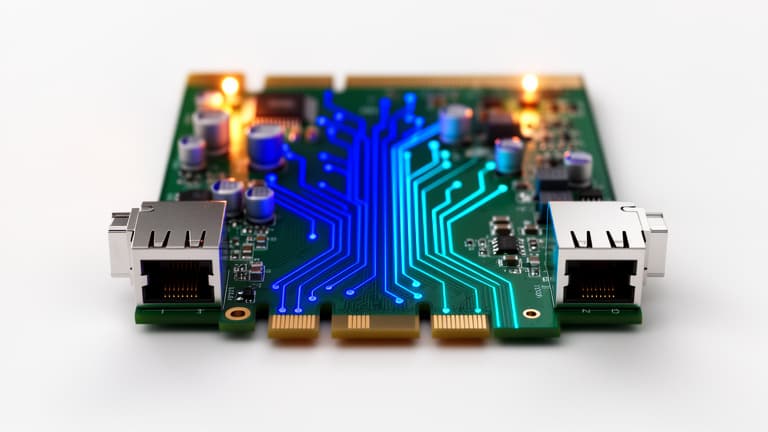
A widely used element in IP telephony (VoIP) operator networks is the gateway. For the VoIP scenario, gateways are linked to protocol translation and technology conversion, connecting analog equipment to the VoIP world or interconnecting operators.
Types of Gateway
FXS Gateway
Responsible for receiving calls from the analog line and converting them to a standard known in VoIP. It is the most used type in scenarios with a VoIP telephone exchange.
FXO Gateway
Does the reverse process of FXS, converting VoIP calls to the analog line standard, allowing calls from the exchange to the public network.
GSM Gateway
Connects the VoIP network to the GSM network of mobile telephony operators. In this type, SIM Cards (Chips) are connected directly to the equipment.
E1 Gateway
Interconnects the VoIP network to the public telephony operator through digital links (E1).
Conclusion
Gateways are the equipment responsible for interconnecting the technologies used by operators, making the entire telephony system interoperable with each other.
Related Articles

ABR Telecom: What It Is and Its Role in Brazilian Telecommunications
Learn about ABR Telecom and its four essential regulatory roles in the operation of Brazilian telecommunications.

Redundancy and High Availability in Voice Platforms
Understand redundancy and high availability strategies for voice platforms and how SipPulse SoftSwitch and SBC implement carrier-grade architectures with transparent failover.
How to Choose an SBC for Your Voice Operation
Understand the role of a Session Border Controller in your voice network and learn how to choose the right SBC based on capacity, protocol support and deployment model.